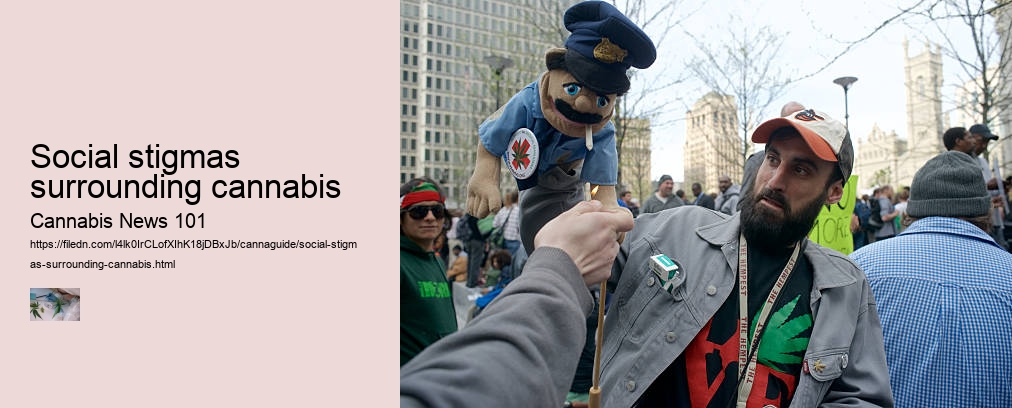
The historical context of cannabis stigma dates back centuries, with roots in various cultures and societies around the world. In many ancient civilizations, cannabis was actually revered for its medicinal properties and spiritual significance. However, as time progressed and different political agendas came into play, the perception of cannabis began to shift.
One of the key moments in the stigmatization of cannabis occurred in the early 20th century with the rise of prohibitionist movements in countries like the United States. These movements were fueled by propaganda campaigns that demonized cannabis as a dangerous drug that threatened society. This led to the criminalization of cannabis and the creation of harsh penalties for its possession and use.
The stigma surrounding cannabis was further perpetuated through racist ideologies, particularly against Mexican immigrants and African Americans who were associated with its use. This racial bias contributed to the demonization of cannabis and reinforced negative stereotypes about its users.
In more recent times, there has been a growing recognition of the medical benefits of cannabis, leading to its legalization for medicinal purposes in many parts of the world. However, despite these changes in legislation, the stigma surrounding cannabis still persists in many social circles.
The historical context of cannabis stigma highlights how societal perceptions can be influenced by political agendas, racial biases, and misinformation. By understanding this history, we can work towards dismantling these stigmas and promoting a more informed and compassionate approach to discussing cannabis use.
Social stigmas surrounding cannabis have had a significant impact on both individuals and communities. These stigmas are often rooted in misinformation, fear, and prejudice, leading to discrimination and marginalization of those who use or support the plant.
For individuals, the stigma surrounding cannabis can lead to feelings of shame, guilt, and isolation. Many people who use cannabis medicinally or recreationally may feel judged or ostracized by their peers and even their own families. This can have negative effects on mental health and self-esteem, making it difficult for individuals to seek help or support when needed.
Communities also suffer from the impact of these stigmas. The criminalization of cannabis has disproportionately affected marginalized populations, leading to higher rates of incarceration and perpetuating cycles of poverty and disenfranchisement. In addition, the stigma attached to cannabis can hinder research and education efforts, limiting access to potentially life-changing treatments for various medical conditions.
It is important for society to challenge these stigmas surrounding cannabis through education, advocacy, and empathy. By promoting understanding and acceptance, we can create a more inclusive and supportive environment for individuals who choose to use cannabis responsibly. Only then can we begin to break down barriers and create positive change for both individuals and communities affected by these harmful stigmas.
When it comes to the social stigmas surrounding cannabis, one of the key factors that play a significant role is the media portrayal of this substance. The way in which cannabis is depicted in mainstream media can heavily influence public perception and contribute to the stigma associated with its use.
For many years, cannabis has been portrayed in a negative light in various forms of media, including movies, television shows, and news reports. These portrayals often focus on the potential harmful effects of cannabis use, such as addiction, impaired judgment, and criminal behavior. This one-dimensional representation has led to the perpetuation of stereotypes and misinformation about cannabis users.
The media's portrayal of cannabis can also impact how individuals who use cannabis are viewed by society. Those who consume cannabis may be unfairly judged or discriminated against based on these negative representations. This can lead to feelings of shame, isolation, and fear of being open about their cannabis use.
On the other hand, there has been a shift in recent years towards more balanced and accurate depictions of cannabis in the media. With the growing acceptance and legalization of cannabis in many parts of the world, there has been a greater effort to educate the public about its benefits and potential risks. This includes highlighting its medicinal properties, economic benefits, and its role in reducing harm from other substances.
Overall, it is important for the media to portray cannabis in a fair and objective manner in order to combat stigma and promote understanding among the general population. By presenting a more nuanced view of cannabis that acknowledges both its positive and negative aspects, we can work towards breaking down barriers and fostering a more inclusive society for all individuals.
The social stigmas surrounding cannabis use have been deeply ingrained in society for years. This negative perception of cannabis users has led to legal implications and stigmatization that can have serious consequences on individuals.
One of the main legal implications of being a cannabis user is the criminalization of the drug in many countries. This means that individuals who are caught using or possessing cannabis can face fines, imprisonment, and a criminal record. This not only affects their professional and personal life but also reinforces the stigma associated with being a cannabis user.
Furthermore, the stigmatization of cannabis users can lead to discrimination in various aspects of life. For example, individuals may be denied employment opportunities, housing, or even healthcare due to their status as a cannabis user. This can create barriers for them in accessing essential services and further perpetuate the negative stereotypes associated with cannabis use.
It is important to recognize that these legal implications and stigmatization have real-life consequences for individuals who use cannabis. Instead of perpetuating harmful stereotypes, it is crucial to educate ourselves about the benefits and risks associated with cannabis use and treat individuals with respect and dignity regardless of their choices.
By challenging societal norms and advocating for more compassionate attitudes towards cannabis users, we can work towards breaking down these stigmas and creating a more inclusive and understanding society for all.
Cannabis, also known as marijuana, has long been a controversial topic in society. The social stigma surrounding cannabis has led to misconceptions and negative attitudes towards its use. However, efforts are being made to reduce this stigma and promote education about the plant.
One of the main reasons for the stigma surrounding cannabis is its classification as a Schedule I drug in many countries. This classification implies that cannabis has a high potential for abuse and no accepted medical use, which has contributed to its negative perception. However, research has shown that cannabis can have medicinal benefits for various conditions such as chronic pain, epilepsy, and anxiety.
To combat the stigma surrounding cannabis, organizations and advocates are working to educate the public about the plant's uses and benefits. They are spreading awareness about the difference between recreational and medicinal cannabis use, as well as advocating for legalization and regulation to ensure safe access for those who can benefit from it medically.
Efforts to reduce stigma also include challenging stereotypes and myths about cannabis users. By sharing stories of individuals who have benefited from using cannabis medicinally or recreationally, advocates hope to normalize its use and change public perceptions.
Education plays a crucial role in reducing stigma around cannabis. By providing accurate information about its effects, risks, and benefits, we can empower individuals to make informed decisions about their own health and well-being. It is important not only to educate ourselves but also to engage in open conversations with others to dispel misconceptions and promote understanding.
In conclusion, efforts to reduce stigma and promote education about cannabis are essential in changing societal attitudes towards the plant. By challenging stereotypes, advocating for legalization, and providing accurate information, we can create a more informed and accepting society where individuals can make choices based on facts rather than fear or judgment.
Cannabis stigma is a very real and prevalent issue in our society today. Many people who use cannabis, whether for medical or recreational purposes, often face judgment and discrimination from others. I have personally experienced this stigma first-hand, and it has had a significant impact on my life.
I remember a time when I was open about my cannabis use with a group of friends, only to be met with shocked expressions and harsh criticism. They made assumptions about me based solely on the fact that I used cannabis, labeling me as lazy or unmotivated. This hurtful judgment affected my self-esteem and made me feel ashamed of something that brought me relief and comfort.
Even in professional settings, the stigma surrounding cannabis can be damaging. When applying for jobs, I have felt hesitant to disclose my cannabis use out of fear of being viewed as unreliable or unprofessional. The fear of being judged has led me to hide this aspect of myself, creating a sense of internal conflict and shame.
Despite the progress towards legalization and acceptance of cannabis in some areas, the stigma still persists. It is essential for us as a society to challenge these negative perceptions and educate others about the benefits of cannabis use. Personal stories like mine are just one example of how harmful stereotypes can affect individuals on a personal level.
By sharing our experiences and speaking out against cannabis stigma, we can work towards creating a more understanding and accepting environment for all individuals who choose to use cannabis. It is time to break down the barriers that divide us and embrace diversity in all its forms, including those who find solace in the healing properties of cannabis.
Marijuana () is a category of flowering plants in the household Cannabaceae that is widely accepted as being aboriginal to and stemming from the continent of Asia. However, the variety of species is contested, with as numerous as three types being identified: Marijuana sativa, C. indica, and C. ruderalis. Conversely, C. ruderalis may be consisted of within C. sativa, or all 3 might be dealt with as subspecies of C. sativa, or C. sativa might be approved as a single undivided species. The plant is also referred to as hemp, although this term is usually utilized to refer just to varieties cultivated for non-drug use. Hemp has long been used for fibre, seeds and their oils, leaves for use as vegetables, and juice. Industrial hemp fabric products are made from cannabis plants chosen to create an abundance of fiber. Cannabis likewise has a long history of being used for medicinal objectives, and as a recreational drug understood by a number of vernacular terms, such as cannabis, pot or weed. Numerous cannabis strains have actually been reproduced, often selectively to produce high or reduced degrees of tetrahydrocannabinol (THC), a cannabinoid and the plant's primary psychoactive constituent. Substances such as hashish and hash oil are drawn out from the plant. More recently, there has actually been passion in various other cannabinoids like cannabidiol (CBD), cannabigerol (CBG), and cannabinol (CBN).
.


